
Roxbury Previous Residents by Era
One Roxbury address can lead to several record systems, but their dates and roles differ. Use the parcel and recorded-deed chain for the legal transfer trail. Use street-address and county directories for a dated household clue. Census material and local newspapers help when a household changes or the directory run has a gap. The table gives a practical order for past-resident research without treating any one result as complete proof of who lived at the address.
| Source | Years It Covers | Where Held | What It Shows |
|---|---|---|---|
| Morris County Clerk online land-record index | 1960 forward | Morris County Clerk Records Vault public search | Recorded instrument data, parties, date, book/page, parcel and legal-description clues |
| Older Clerk index books | Book 2: 1841–1887; office records reach late 1700s | Records Vault counter, mail route, and older books | Earlier transfer research beyond the online cutoff |
| Morris County Street Address Directory | 1977 through 2005–06, with gaps | Morris County Library, HM1 Nat | Address-first household clues |
| Morris County directories | 1873–1909 runs, with gaps | Morris County Library, North Jersey History & Genealogy Center, and State Library holdings | Names, community and address clues |
| New Jersey state census | Every ten years, 1855–1915; 1895 indexed/images | FamilySearch and library access | Township-arranged household context |
The County Clerk index is a documented transfer source, while the directory and census layer is a household source. Keep both dates in the research log. The Morris County Library also has telephone directories from 1969 and Morris Area volumes from 1964–95 with gaps, which can supply later context but do not replace the deed or parcel record.
Note: A transfer date and an address listing are separate dates, so record both before drawing a conclusion.
Roxbury Parcel Identity Before Names
Start a previous residents search with the current physical parcel, not a name-only search. The Morris County Tax Board Search Tax Records property-location mode requires Tax Year, District, and Street Name; House Number is optional. Its owner and block-and-lot modes offer other ways to reach the same parcel. Save the tax year with the result because assessment and owner fields change over time.
Next, use Morris GIS or the Roxbury assessor to preserve the block, lot, qualification code, PAMS_PIN, CountyID, MunicipalID, municipality, tax-map page, and the address form returned. The local assessor has deeds, tax maps, ownership, and property-identification information on file. A parcel record is an assessment and ownership clue, not a statement that a particular person currently occupies the property.
- Situs address
- The physical property location used by the tax, GIS, map, or deed record.
- Owner mailing address
- The correspondence line used for assessment or tax mail, which may be elsewhere or may lag a transfer.
- Legal description
- The land-identifying wording in a recorded document, often more stable than a changing street label.
Use the current street spelling to find the parcel, but do not overwrite the older name or hamlet label in the source log. That distinction is important when following Roxbury previous residents through older records.
Roxbury Deed Chain for Previous Residents
The Morris County Clerk Records Vault holds deeds, mortgages, liens, maps, notices, discharges, and related instruments. Its public search supports party name, instrument number, book/page, parcel ID, map or legal-description, town, lot/block, date, and related filters. Search both the party and the parcel or legal description where possible. A single street string may fail when a road name, number, or township label changed.
- Capture the tax-year parcel result, current owner, block, lot, district, legal description, and all available parcel identifiers.
- Search the current owner’s purchase document in the Morris County Clerk Records Vault by party name and then test parcel, town, or legal-description fields.
- Record the instrument number, date/time, document type, grantor, grantee, book/page, parcel or map data, legal lines, linked documents, and image status.
- Take the prior grantor from that deed and search for the earlier purchase. Repeat the process backward, retaining the matching parcel clues.
- At the 1960 online cutoff, switch to the Records Vault counter, mail route, and older index books instead of stopping the chain.
- Grantor
- The party transferring an interest in a recorded document.
- Grantee
- The party receiving that interest in the recorded document.
- Chain of title
- The linked sequence of recorded transfers for the same parcel or legal description.
- Criss-cross directory
- An address-ordered directory section, where available, used to move from a street clue to a household listing.
A deed confirms a recorded transaction. It does not, by itself, establish that the grantor or grantee lived at the Roxbury address. Compare the deed date with the relevant tax year, directory year, census, probate material, and map. This is the key distinction between a past owner and previous residents.
Roxbury Previous Residents Before 1960
Online land records reach back to 1960, but the Records Vault’s property documents extend to the late 1700s. For earlier work, Index Book No. 2 covers 1841–1887, and older letter-index PDFs are available for portions of the earlier material. Staff, counter, mail, and certified-copy channels remain part of the research path. Exact book availability and fees should be confirmed for the parcel. The State Archives supplies another route, with deed books beginning in 1785 or county creation.
New Jersey State Archives genealogy collections describe the older land, vital, surrogate, and court material.
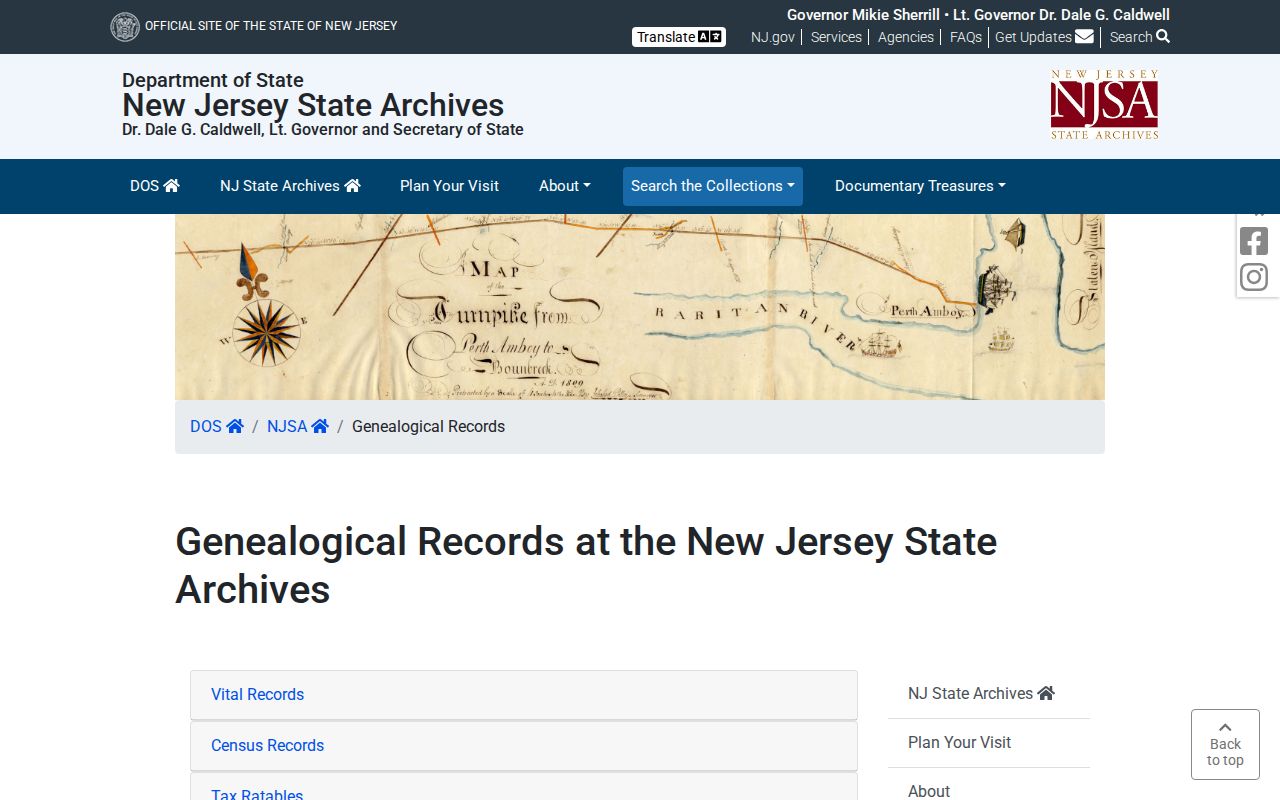
Use the Archives after the local online index ends, then preserve the book, repository, date, and parcel connection in the same chain log.
Roxbury Township was designated in 1740 and Morris County was organized in 1738. The older land trail may use a historical community, canal hamlet, railroad stop, post office, or adjacent municipality instead of a current Roxbury address. Legal description and parcel continuity are therefore stronger bridge fields than spelling alone.
Roxbury Previous Residents in Directories and Census
Directories add the household layer to a deed chain. The Morris County street-address sequence begins in 1977, with later annual and gapped runs through 2005–06. Earlier county directories include 1873–1909 runs. Their collections, publishers, and shelf details belong to the Roxbury city directory collection; here, use a nearby directory year as a dated address clue beside the deed date.
- Find the closest directory year after the transfer or a known address date and copy the name, street wording, community heading, publisher, year, and page.
- Check the next earlier and later available volume, including spouse surname, initials, and alternate hamlet labels when a name does not appear.
- Pair the directory checkpoint with the relevant census or state census. The 1895 New Jersey collection is indexed and arranged by county and township.
- Use newspapers, probate, cemetery, church, and local-history material to investigate a move, death, marriage, or community change when the household disappears.
The federal 1890 census was destroyed by fire, so a Roxbury trail around that period needs the 1888–89, 1894–95, or 1897–98 directories, the 1895 state census, deeds, and newspapers. A directory can also use a spouse convention. The official historic-survey transcription of a Vogt Bros. entry as “Mrs. Henry Drake” is a direct warning against a literal one-name search.
Note: A missing directory entry may reflect a naming convention or a publication gap, not a proven departure from the address.
Roxbury Previous Residents Library Leads
The North Jersey History & Genealogy Center in Morristown holds directory runs, newspapers, census and state-census resources, and library databases. Its periodical coverage includes the Dover Iron Era, Jerseyman, Morris County Chronicle, Democratic Banner, and Craftsman. Those records can add a dated legal notice or community reference to a narrow house-history question. No dedicated Roxbury obituary index was located, so a paper title and date range is a more defensible request than a broad obituary claim.
The North Jersey History & Genealogy Center’s research source list identifies its directory, newspaper, and database access.
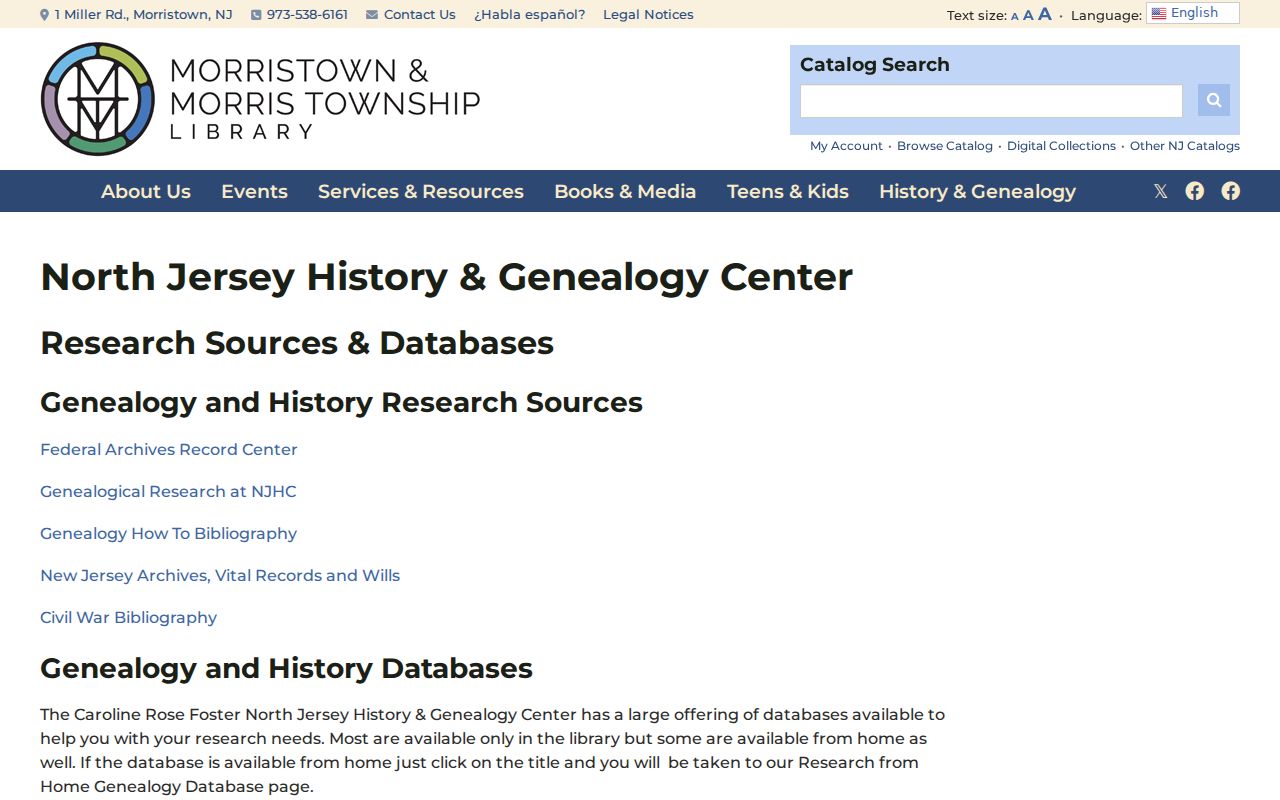
The Center’s mix of directories, census resources, and newspapers makes it useful for testing a household clue against more than one dated source.
Roxbury Public Library provides another local route. Its collection includes personal papers, church records, local histories, oral-history videocassettes, and more than 900 local and state history books. The Heritage Commission inventory says the collection is small enough to review quickly, but no public finding aid was exposed, so call the reference desk before visiting.
Morris County Library’s directory collection is the direct source for the street-address and telephone runs.
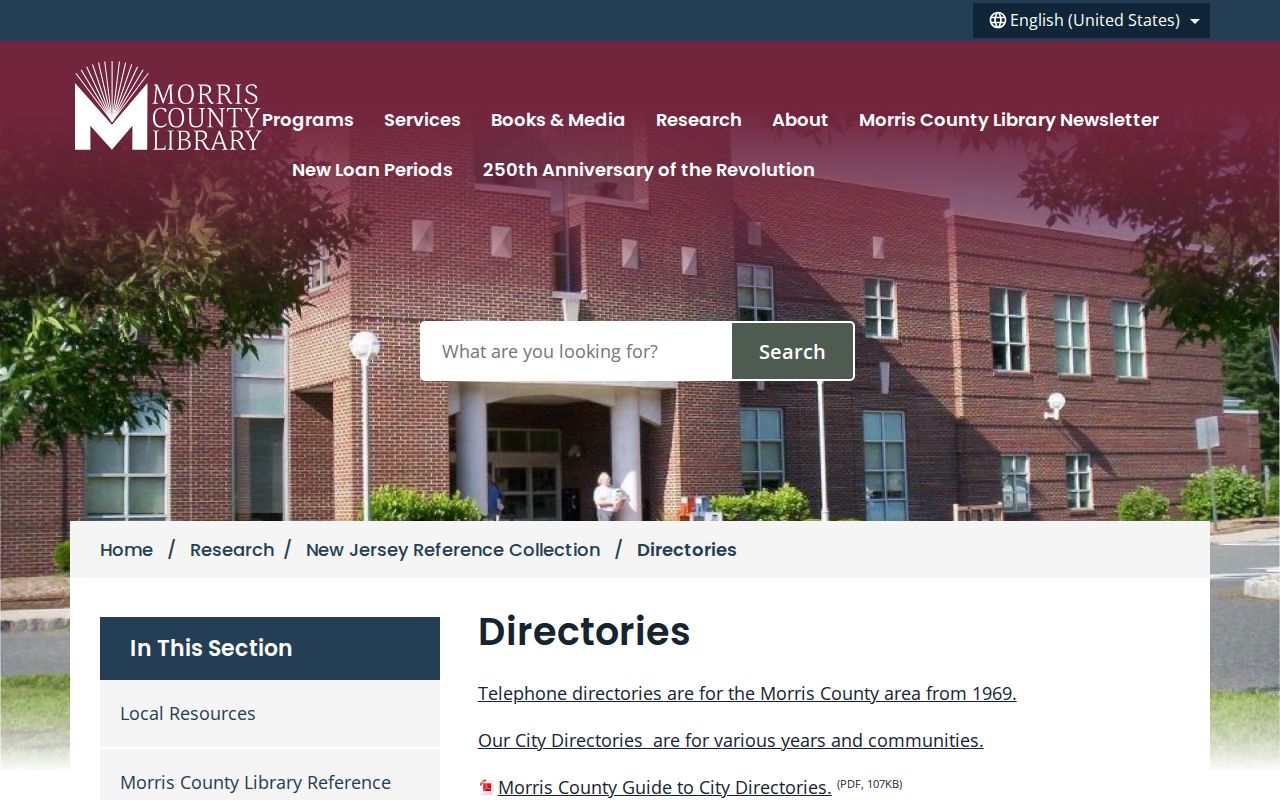
Ask for HM1 Nat when the research needs the Morris County Street Address Directory rather than a general local-history shelf.
Roxbury Previous Residents and Former Addresses
For a family-history lead that involves a known name and former address, the state’s free unclaimed-property search may show public owner and address fields and can support a claim route for an owner or heir. It is not a property-title search, a directory, or proof that someone lived at a Roxbury house. Use it only as a separate, dated clue after the parcel, deed, and directory research has established a reason to search a former address.
New Jersey Treasury Unclaimed Property provides the official search and claim route.
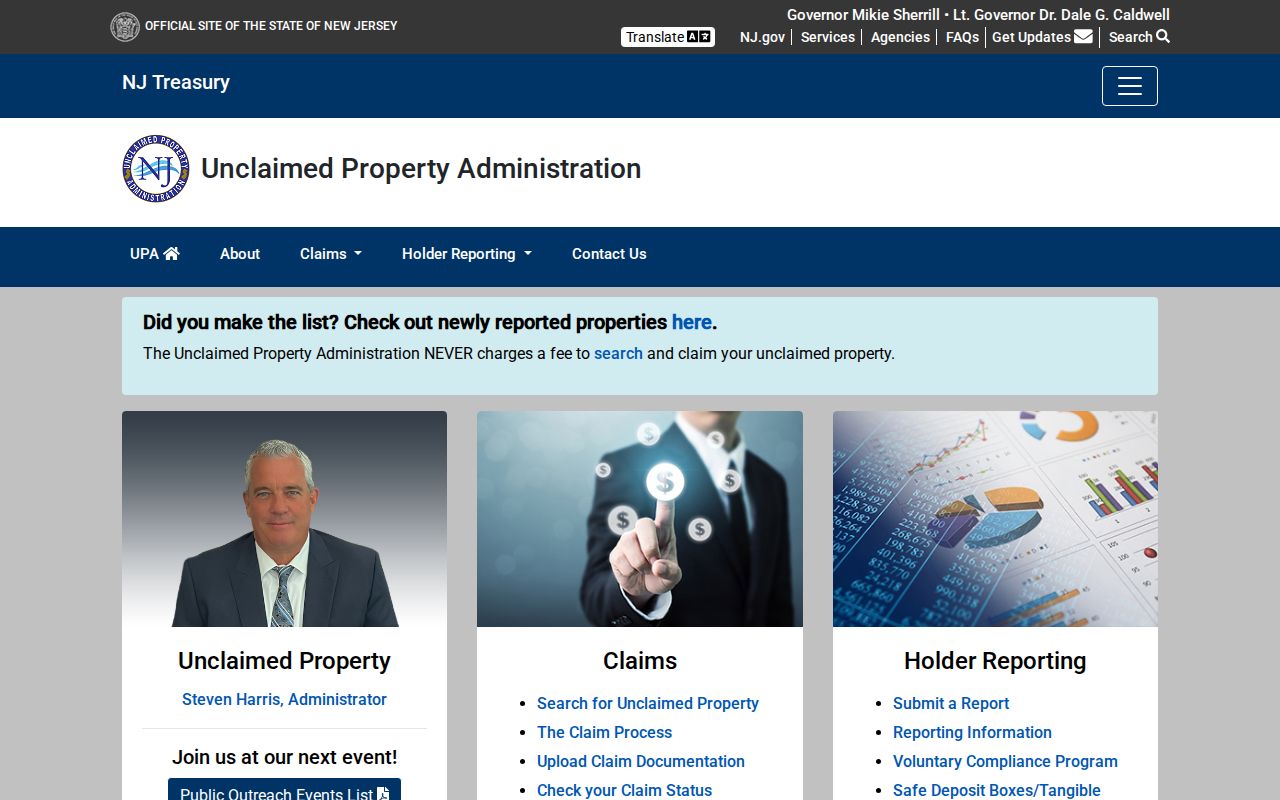
Check claim instructions and documentation requirements with Treasury, and avoid treating an address shown in a result as a conclusive household or ownership finding.
Roxbury Previous Residents Uncertainty Rules
Roxbury has six historic community labels: Succasunna, Kenvil or McCainsville, Ledgewood or Drakesville, Lower Berkshire Valley, Landing, and Port Morris. The Morris Canal, railroads, mining, and post offices shaped those names. Preserve every form used by the source, and do not silently modernize an old address. The safest chain notes the exact spelling, street or place wording, date, source, and why the parcel connection is persuasive.
Lawful house-history use. Roxbury previous-resident research is for family history, estate questions, local history, and personal property curiosity. Do not use a dated record to track, harass, or harm a living person.
The Morris GIS map is helpful for discovery but is not a legal boundary, survey, or legal description. For a boundary or title conclusion, return to the tax map, assessor, recorded document, or qualified professional. A careful trail marks uncertainty instead of turning a single old record into a claim it cannot support.